A Collector's Chronicle
The Heart of the Hilt
Lightsaber Soundboards Explained: Proffie vs. CFX vs. Golden Harvest vs. Xenopixel V2/V3 (LGT) & SNV4 (TXQ)
Last updated: 12 Apr 2026
The soul of any high-end lightsaber is its soundboard. This tiny, highly specialized microcomputer dictates everything your saber does: how smoothly it tracks your motion, how bright and complex the blade effects are, and how you interact with it.
1. Proffieboard V3.9: The Open-Source Gold Standard
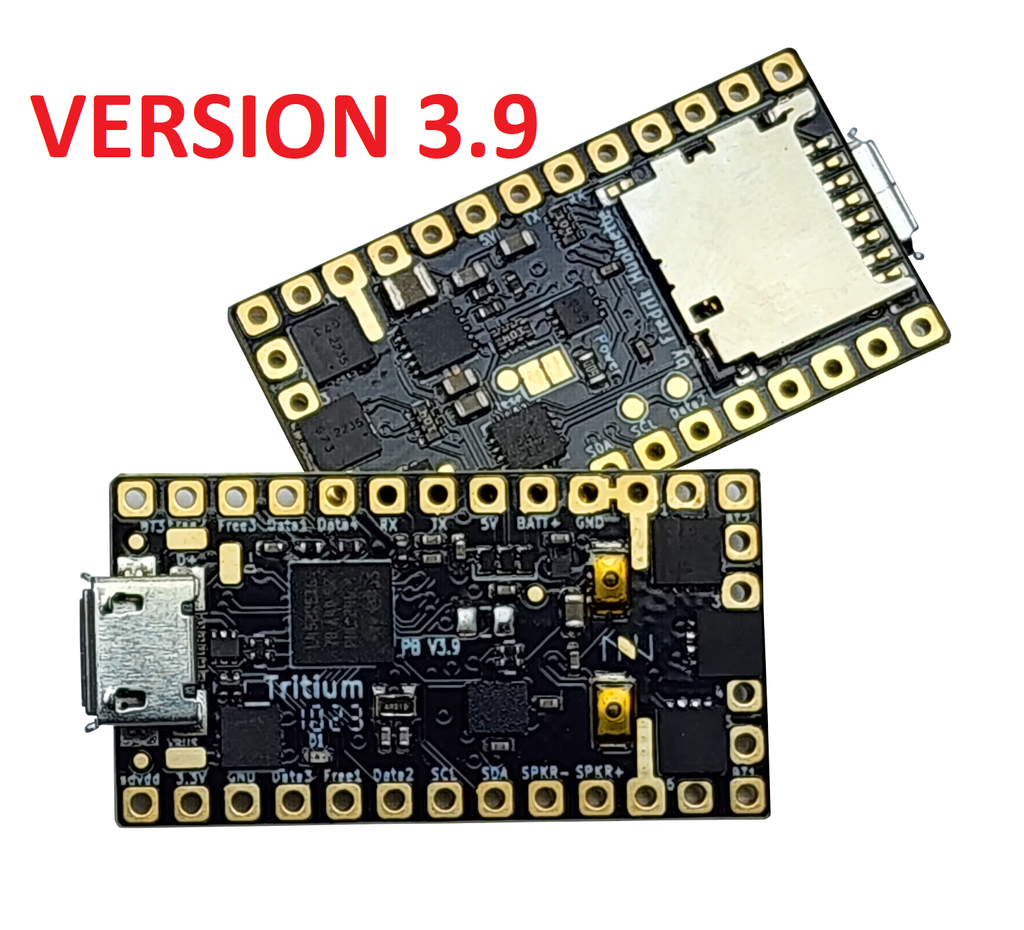
Created by Fredrik Hubinette, the Proffieboard is the undisputed king of lightsaber customization. It is 100% open-source, meaning a massive global community of developers constantly writes new code, blade styles, and features for it.
The latest iteration, V3.9, features an 80MHz ARM processor, 160kb of RAM, and 512kb of Flash memory—double that of the previous V2.2 board. This extra memory is crucial because Proffie allows for virtually unlimited, highly complex "blade styles" (such as localized flame effects, rain ripples, or unstable cracked energy).
2. Crystal Focus X (CFX): The Premium Plug-and-Play
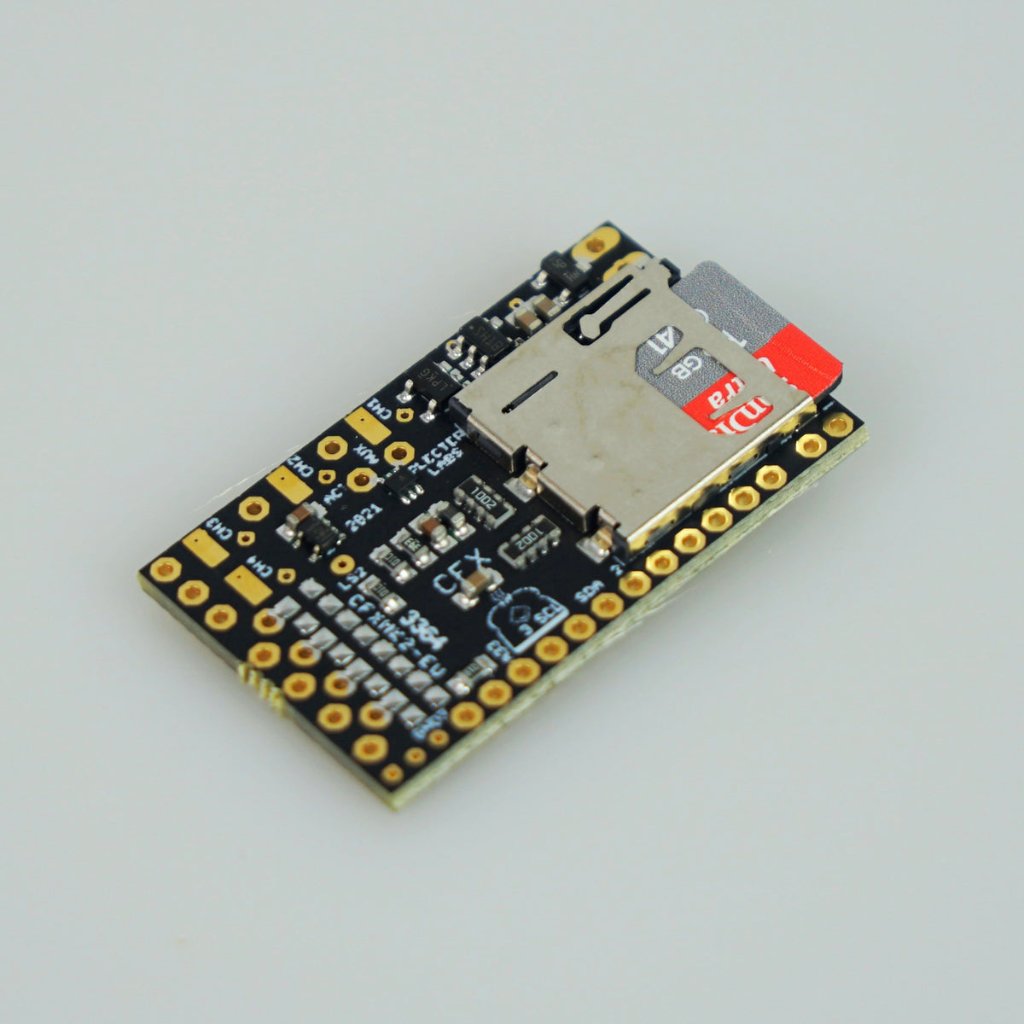
Manufactured by Plecter Labs in Belgium (led by Erv Plecter), the Crystal Focus X (CFX) is the premium closed-source alternative to Proffie. For years, Plecter Labs defined the high-end soundboard market, and the CFX remains a top-tier choice for professional installers.
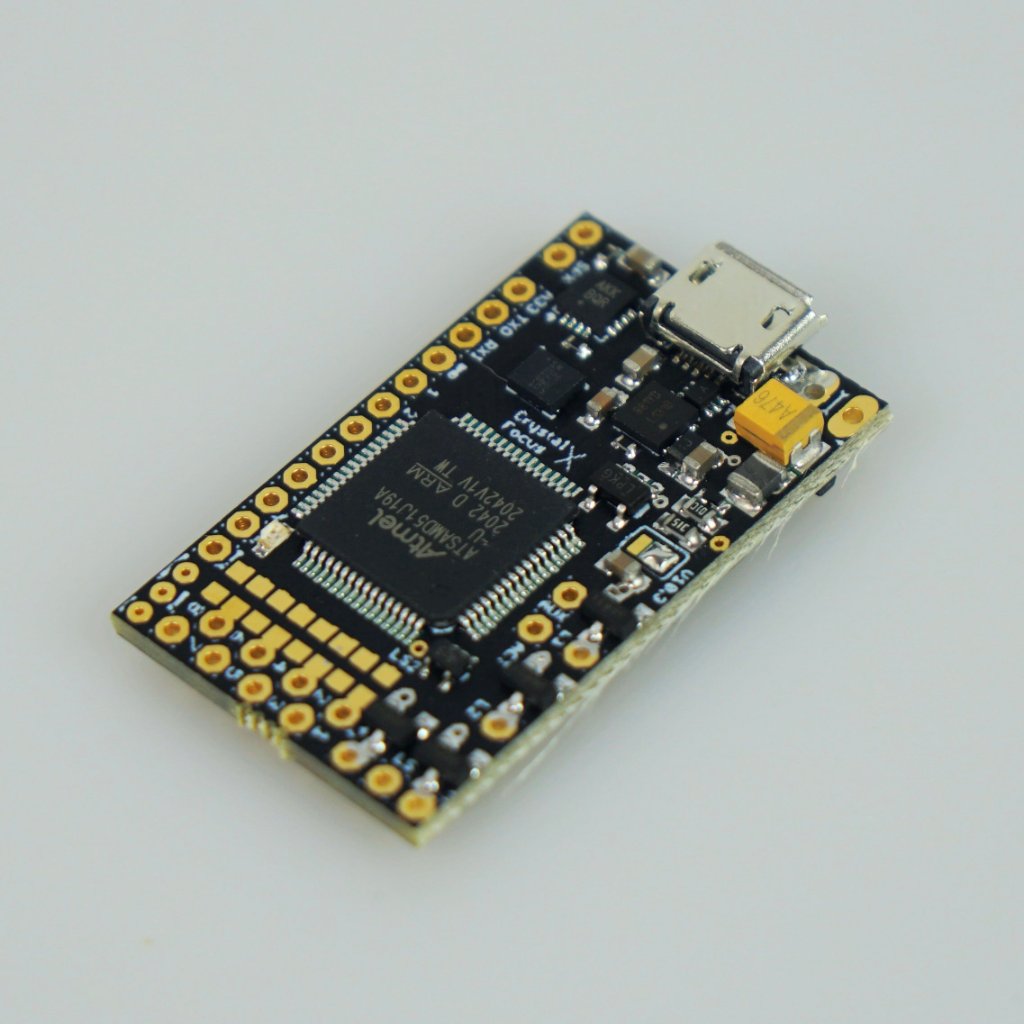
The CFX is an ARM32-based board featuring a 3.2W digital amplifier that maintains constant power and volume over its runtime. It supports 128x32 OLED screens and features a robust 9-axis (or 6-axis) IMU for incredibly accurate motion tracking.
3. Golden Harvest V4 (GHv4): The German Engineering Powerhouse
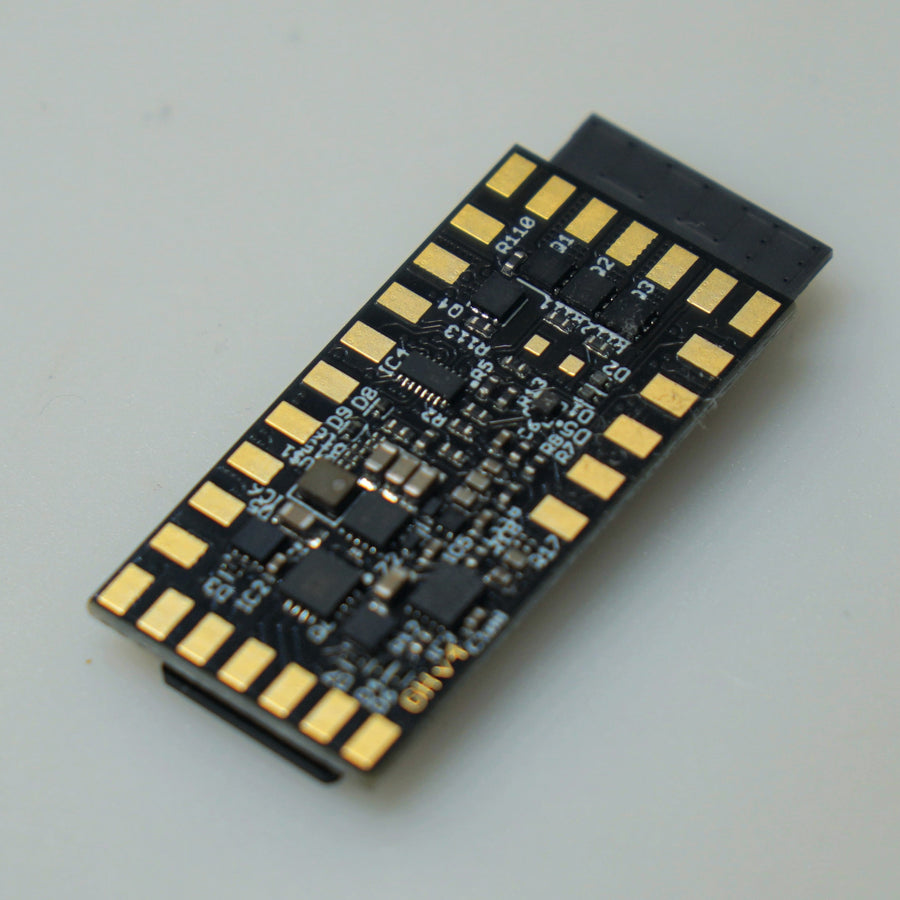
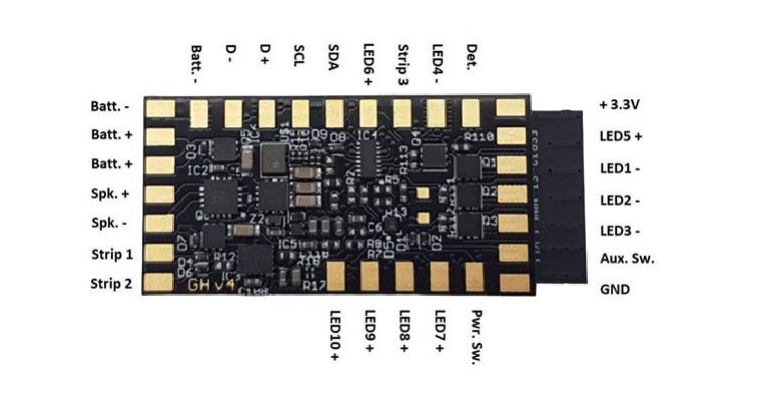
Developed by Sabertec in Germany, the Golden Harvest series has rapidly evolved from a mid-tier option into a true heavyweight contender. The newly released GHv4 is a complete redesign that brings massive quality-of-life improvements.
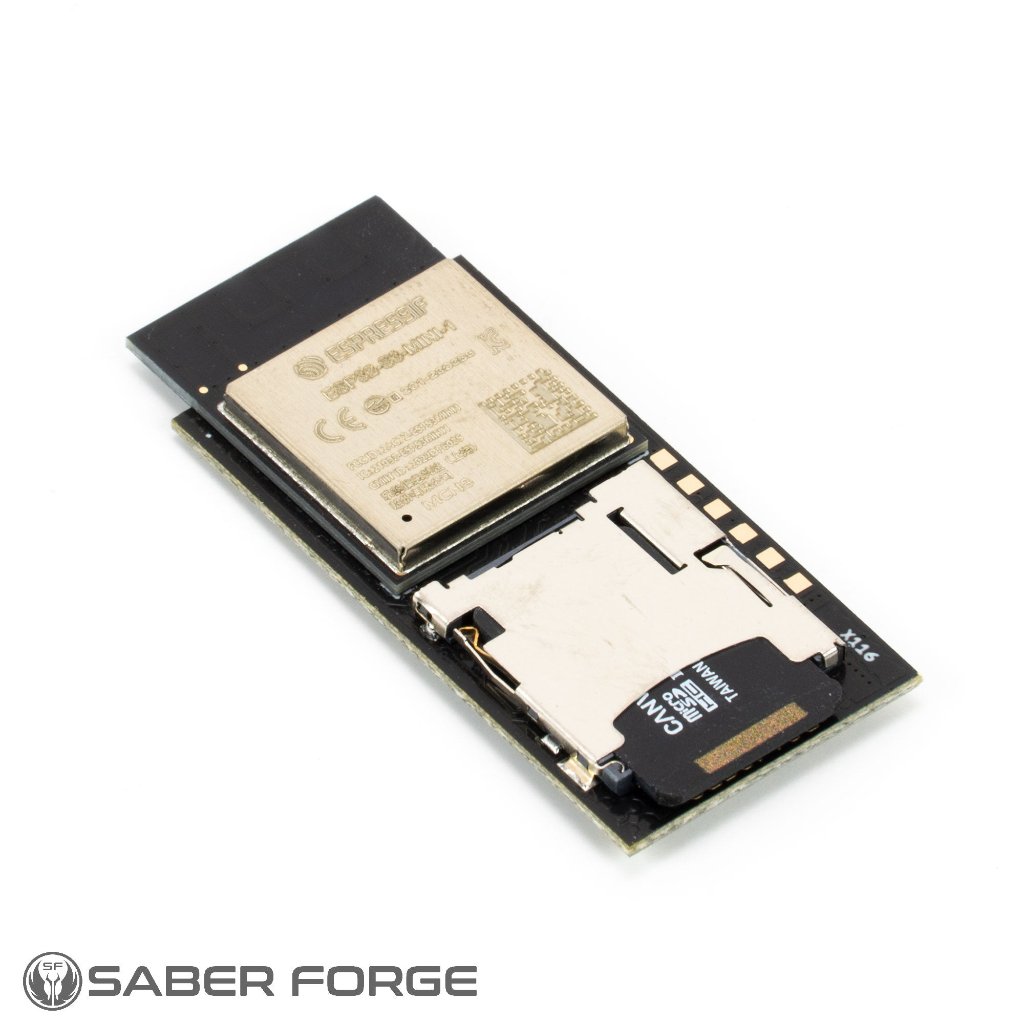
The GHv4 is powered by a dual-core processor with a dedicated third co-processor, running a real-time operating system (RTOS). It features 10 independent LED channels (4 high-power, 6 accent) and an advanced audio engine capable of playing five sound files simultaneously.
4. Xenopixel V3: The Budget King
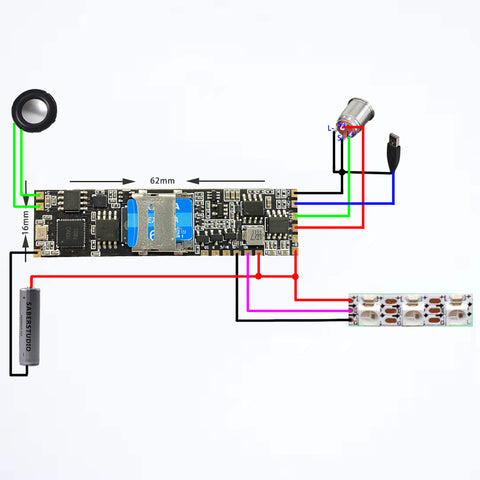
Manufactured in China by LGT, the Xenopixel board is responsible for democratizing the Neopixel lightsaber market. Found in nearly all budget-friendly sabers, the V3 iteration offers an incredible feature set for the price.
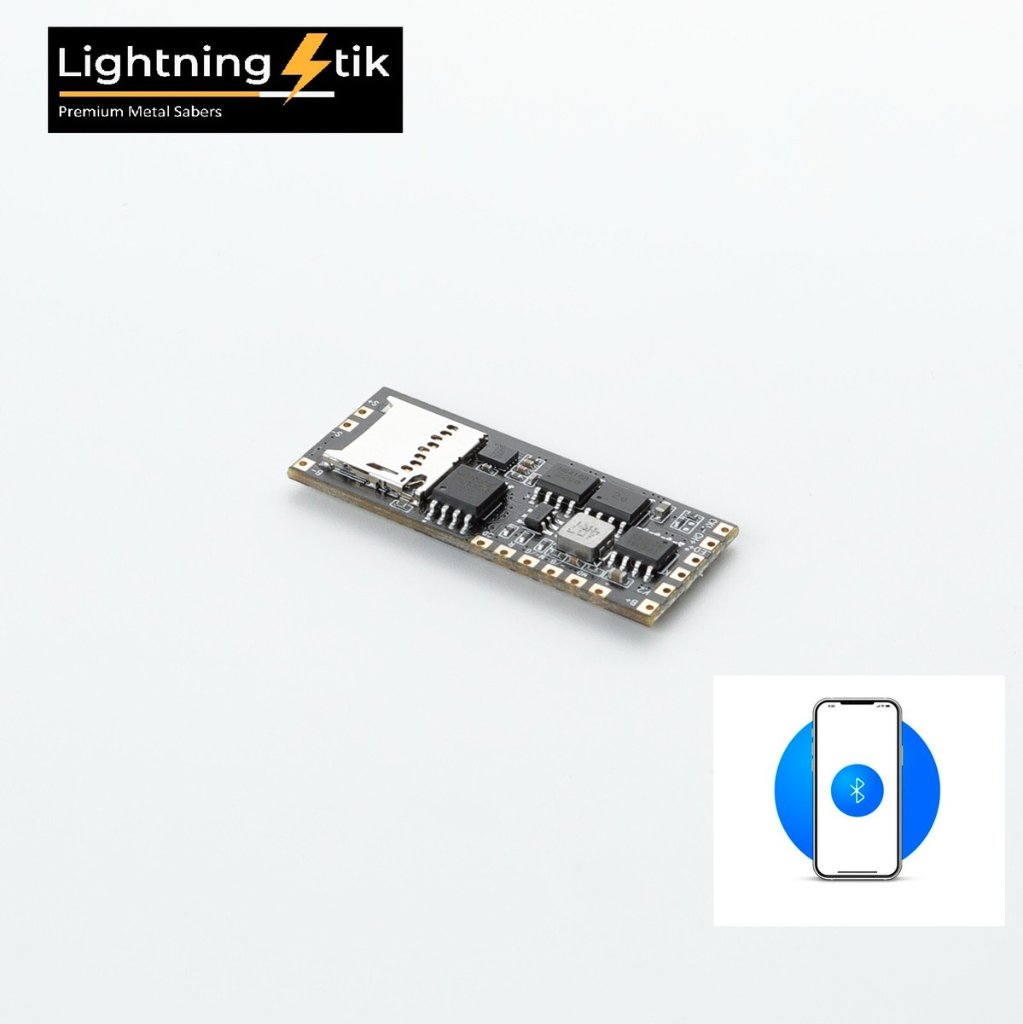
The Xenopixel V3 includes a 6-axis sensor for Smooth Swing, Flash on Clash, Blaster Deflect, and Lock Up effects. It comes pre-loaded with dozens of sound fonts and supports adding more via an SD card.
Technical Comparison Summary
| Feature | Proffie V3.9 | CFX | Golden Harvest V4 | Xenopixel V2/V3 (LGT) & SNV4 (TXQ) |
|---|---|---|---|---|
| Manufacturer | Open Source (F. Hubinette) | Plecter Labs (Belgium) | Sabertec (Germany) | (China) LGT: Xenopixel V2/V3 TXQ: SNV4 |
| Configuration | Arduino IDE (C++ Code) | Text files / Desktop App | SD card / WiFi/BT App | Bluetooth App / SD card |
| Processor | 80MHz ARM | ARM32 | Dual-core + co-processor | Basic MCU |
| Wireless | None (requires PC) | None (requires PC/SD) | Onboard WiFi & Bluetooth | Onboard Bluetooth |
| Custom Blade Styles | Infinite (Coded) | Highly Customizable (Parameters) | Highly Customizable (App/Text) | Pre-set only |
| Skill Level | Advanced / Expert | Intermediate | Intermediate | Beginner |
| Price Tier | Medium ($55 board only) | Premium ($90+ board only) | Medium ($65 board only) | Budget (Usually bundled) |